


If you’re a business-minded person, maybe you love Pendleton’s classic wool blankets. Or maybe you’ve heard concerns about well-known brands shutting down. Either way, you’re wondering: Is Pendleton going out of business? It’s a fair question—and a smart one for anyone watching legacy brands or thinking about product trends.
Let’s break it down with facts, not rumors. This guide will help you tell a false panic from a real problem, all while teaching you to analyze business continuity in your own world too.
Table of Contents
ToggleStart by Checking: Which Pendleton?
This is where confusion often begins. There are actually two companies using the Pendleton name:
– Pendleton Woolen Mills, Inc. (the heritage wool company from Oregon, USA)
– Pendleton Enterprises Ltd (a UK-based firm unrelated to American wool and textiles)
Before you get worried, ask yourself: Am I hearing about one specific retailer, or reading about a brand as a whole? Understanding which Pendleton is being discussed will set the foundation for your research—just like knowing which financial metric you’re reviewing before you pull out the calculator.
Key Takeaway: Put company names and locations into Google or official registries for five minutes before reacting to any rumor.
Pendleton Woolen Mills: Alive and Kicking in the Pacific Northwest
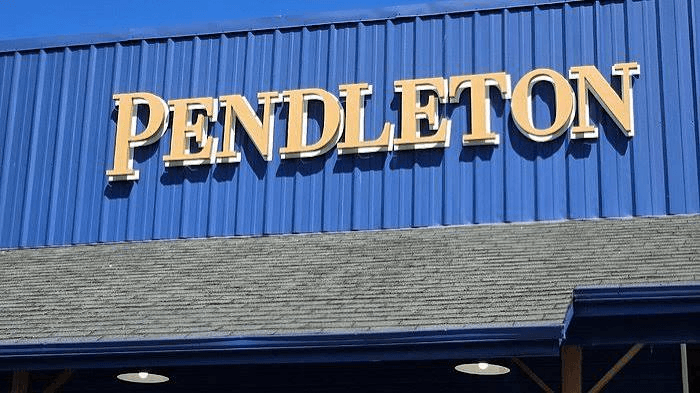
Let’s check the basics. Pendleton Woolen Mills (PWM) is the 150-year-old American manufacturer famous for wool blankets, clothing, and home décor. Here’s what you should know about their current operations:
– The company’s headquarters remain in Portland, Oregon.
– Pendleton operates two historic wool mills in Oregon and Washington. Both are active.
– The company sells through its own branded retail stores, factory outlets, and robust online operation.
– Pendleton is privately owned by the Bishop family, not a public or venture-backed company.
If you browse their [official website](https://www.pendleton-usa.com/) or visit a store, you’ll see active seasonal lines, ongoing promotions, and clear evidence of business as usual.
Tip: Checking store locators and product drops can give you a day-to-day read on a company’s pulse—much faster than scouring financial rumors on random forums.
Retail and Online Presence: Are Pendleton Stores Open?
You might have heard about “Pendleton store closures” or seen empty retail locations. Does this mean the company as a whole is in trouble? Usually, no.
Retail is shifting fast. Many legacy brands are closing underperforming locations as online sales grow. This is normal business, not a sign of collapse. For context:
– Pendleton lists over 30 company-owned stores and outlets across the U.S.
– Their e-commerce site continues to release new collections and ship globally.
– Select department stores and independent retailers still carry Pendleton products.
Start by asking: “Did a single store close, or are all stores gone?” In Pendleton’s case, the core business is strong and stores are just evolving with customer behavior.
Key Takeaway: Don’t confuse individual store closures for a brand-wide shutdown. Retail channels shift, but a true business closure would involve bankruptcy filings, halted production, and empty warehouses!
Pendleton Enterprises Ltd: Status in the UK
A quick word on the other Pendleton. You might see news, reviews, or product complaints from the UK. Often this is *Pendleton Enterprises Ltd*, a separate business listed on the UK company registry.
A practical research move: Search the UK Companies House (“Pendleton Enterprises Ltd”) to check their status. As of early 2024, this UK Pendleton is officially marked as “active.” There’s no record suggesting closure or insolvency.
Ask yourself: Are you reading about the right company? This avoids confusion—especially for global brands, where naming overlaps do happen.
A Strong Heritage: How Pendleton Survived Rough Times
If you want to judge a brand’s health, don’t skip the tough chapters. Pendleton Woolen Mills faced a serious challenge in the 1990s. Sales dropped. Industry competition increased. The company was forced to rethink its product mix and marketing.
But here’s what matters:
– Pendleton did *not* file for bankruptcy or dissolution.
– The company tightened its focus, refreshed its retail approach, and doubled down on quality American manufacturing.
– Family ownership provided stability, preventing the chaos frequent in public companies under activist investor control.
Did you know? Family-owned firms tend to take a longer view and can ride out rocky years more smoothly than companies with quarterly earnings targets.
Key Takeaway: Pendleton adapted, improved, and is still privately owned—an important indicator that the business wasn’t sold off in distress.
Why the Confusion? Store Closures vs. Company Health
You’re savvy enough to know headlines can be misleading. Sometimes, you’ll see claims that “Pendleton is closing” when:
– One local Pendleton-branded retailer shut its doors.
– A store within a department store ended its partnership.
– Outlet locations adjusted for online demand.
Here’s how to analyze this for yourself:
– Search for bankruptcy or liquidation filings—none exist for Pendleton Woolen Mills as a company.
– Check the official Pendleton website for press releases or store lists.
– Look up business registries for “active” or “dissolved” status.
Ask yourself: If I see a closed store, can I still buy the product somewhere else? If yes, it’s just normal retail turnover.
Tip: The same method works for any brand you want to investigate. Never mistake a few store closures for collapse of the whole company.
Practical Ways to Confirm a Company’s Business Status
Maybe you’re thinking about stable vendors, investment opportunities, or your own business risks. Here’s your go-to checklist:
1. Search for company name in government business registries (U.S. Secretary of State, UK Companies House).
2. Visit the official website—abandoned sites are a bad sign.
3. Check social media for recent activity, product launches, or hiring posts.
4. Look for bankruptcy filings in legal databases.
5. Reach out to customer service and see if you get a prompt, real reply.
Bonus: Comparison shopping sites such as Sunrise Clicks can show if products from brands like Pendleton are still circulating in the market—a live proxy for ongoing business.
Key Takeaway: Five minutes of direct investigation usually beat an hour scrolling rumor forums.
What Entrepreneurial Lessons Can You Learn?
You’re reading because you care about business—not just this one brand. Let’s use Pendleton’s story as a real-world toolkit.
Here are the lessons for founders and managers:
– Stay flexible with retail: Adapting store count or sales channels is about survival, not failure.
– Keep an eye on product mix: Just because flagship products once slowed doesn’t mean a company is doomed.
– Family or private ownership brings stability: Avoiding the quarterly panic lets you make smart, long-term calls.
– Communication builds trust: Your customers want to hear consistent updates during changes. Silence increases panic.
Ask yourself: Is my business model robust to sudden changes in demand or online buying patterns?
Tip: If you see rumors about your industry, use the same checklist to check your competition or reassure your stakeholders.
Conclusion: Is Pendleton Going Out of Business? Here’s the Bottom Line
You started with a simple but crucial question. Do the facts say Pendleton is shutting down? No. Company records, online presence, and product activity all show Pendleton Woolen Mills is still operating, hiring, manufacturing, and selling widely.
While certain *stores* may close or shift, the parent company remains healthy and active. The only real confusion comes from not distinguishing between local retailers and the corporate business itself—or mixing up different companies with the same name.
Before you worry (about Pendleton, or any brand), remember:
– Double-check the specific business name and location.
– Look for hard data—bankruptcy filings, shutdown notices, vacant offices.
– Don’t be fooled by headlines about single-store closures.
– A flexible business model, like Pendleton’s, is a smart response to changing markets.
Key Takeaway: One store closing isn’t the same as the whole brand going out of business. Be alert, gather facts, and use these simple research skills for your business decisions, too.
If you want to become more adept at analyzing business health—yours or anyone else’s—just keep applying these practical checks. It could save you time, money, and a lot of worry down the line.
Read Also This: