


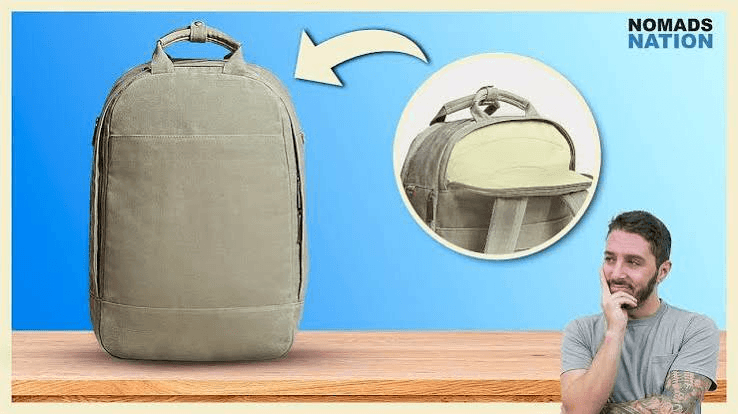
Every founder faces setbacks. Some are temporary, others are final. So if you’re wondering about Day Owl’s future, it’s time to get clear. The well-known sustainable bag brand is not just pausing—it is actually shutting down for good.
As someone with an eye on smart business practices, you know assumptions can cost you. Let’s walk through what’s happening at Day Owl, why the company is calling it quits, and what you should learn as a business owner or aspiring entrepreneur.
Table of Contents
ToggleDay Owl’s Official Closure Announcement
Start by reviewing the facts. Day Owl has made a public announcement: the company is winding down operations and shutting its doors. You’ll find statements on their website and in industry news—there’s no ambiguity. The brand, once hailed for its sustainable backpacks and clever upcycling story, has confirmed it’s going out of business.
You may have seen the massive banner on Day Owl’s homepage—“40% Going Out of Business Sale Sitewide!” This type of sale is a classic marker of a company closing up shop. There’s also a blunt warning: “All sales are final. No returns.” If you’ve ever run a liquidation sale, you know what this means. The business is selling off what remains to pay debts and cover outstanding expenses.
Understanding Why Day Owl Is Closing
Ask yourself: What gets a small brand to this point? The short answer is unsustainable costs and unpredictable risk. According to Day Owl’s founder and CEO, Ian Rosenberger, the root issue is tariffs on goods made in Vietnam. These tariffs didn’t just make bags more expensive—they created wild swings in costs every month.
If you’ve built a business that relies on overseas manufacturing, this issue should sound familiar. Here’s the formula:
– Fluctuating tariffs = Unpredictable product costs
– Unpredictable costs = Tough pricing decisions, unclear margins, and customer fear
– Customer fear = Fewer orders, slow inventory movement
– Ongoing cost shocks = The company can’t break even
Day Owl’s public statements highlight that small brands, unlike deep-pocketed corporates, don’t have the cushion to ride out these changes. They can’t wait six months to see where tariffs will land. If you’re fighting for every dollar, absorbing surprise costs month after month is untenable.
Tariff Volatility: The Silent Business Killer
Let’s make it real. Tariffs aren’t just a policy word—they’re direct hits to your profit math. As Rosenberger explained, Day Owl’s core bags are produced in Vietnam. When tariffs bounced unpredictably, production price tags changed constantly. The company tried eating the costs for a while, but this drained their cash.
Customers also pushed back. Would you preorder a $150 backpack if you couldn’t guarantee the final price? Many regulars chose to wait. That creates cash flow gaps—a top reason brands fail.
Tip: Before you sign any overseas manufacturing deal, map your full landed cost. Include tariffs and shipping. Then ask yourself: Can I survive another 10% hit per unit this year? If the answer is no, rethink your supply chain.
Challenges Unique to Small Brands
Big companies often negotiate with partners, hedge currency and tariff exposure, or simply outlast short-term losses. You likely can’t. Day Owl’s experience exposes common pain points for small business owners:
– Small minimum order quantities mean less negotiating power
– Limited reserves make it hard to “wait out” bad conditions
– Customer loyalty only stretches so far when prices jump each month
– Retail partners may hesitate to restock when costs keep shifting
Ask yourself: What’s your real operating buffer? Could you keep doors open if your primary costs spiked for a year?
Shifting Stories and Customer Confusion
Every business owner dreads mixed messages. Early in 2024, you might have read about Day Owl “pausing” production, maybe focusing briefly on wholesale, or planning a restart if conditions improved. Backpack forums and Reddit threads echoed the hope for a comeback.
But that was then. Company messaging and industry coverage are now crystal clear. There is no pivot or restart plan on the table. Day Owl’s founder recently told the media, “We made it a year, but we couldn’t keep absorbing the body shots. We’ve reached the end.”
Why does this matter for you? Clarity builds trust. If you ever face a shutdown, tell your customers directly. Try not to let wishful language fill the gap. A confused customer is an unhappy customer.
Where Things Stand Now: What Shoppers Need to Know
So what does all this mean for Day Owl’s current and prospective customers? In short: the company is selling off remaining stock via a deep clearance event.
Here’s what’s happening right now:
– There is a 40% across-the-board sale—everything must go.
– No new products are coming; only current inventory is for sale.
– Every purchase is final. No returns, no exchanges.
– Once stock runs out, that’s the end of Day Owl goods.
Key Takeaway: If you’ve been waiting to try a Day Owl bag or want to grab one last keepsake, act now. But buy with full awareness. There will be no customer support for refunds or warranty claims once the company is fully wound down.
Find liquidation sales intriguing? Many closing brands partner with online liquidation marketplaces such as Sunrise Clicks to move excess stock fast. This helps pay down debt and sometimes creates short-term deals for savvy shoppers.
Lessons for Founders and Small Business Owners
Let’s get practical. Day Owl’s shutdown offers a real-world case study on market risk, especially when you operate in a niche or with global supply chains.
Here are a few questions you should use as a checkpoint:
– Start by mapping your fixed and variable costs. How do tariffs or fees impact your margins?
– Ask yourself: Are your major vendors in one region or split across countries? Can you switch factories quickly?
– What’s your minimum viable monthly revenue to keep afloat if demand crashes or costs spike?
– Could you offer discounts, bundles, or alternative funding (like preorders) if trouble hits?
– How clear are your communications during tough times? Are you transparent with team, partners and customers?
– Do you have options if inventory takes too long to move—consignment, wholesale bundles, or online liquidation?
Tip: If you manufacture abroad, currency and tariff swings should be regular parts of your “stress tests.” Don’t build a plan on best-case assumptions.
Should You Buy During Day Owl’s Going Out of Business Sale?
Don’t rush just because of the markdown. Evaluate these points before you buy:
– All sales are final. Returns and warranty claims are off the table.
– If the product has a defect, you likely won’t have support.
– Check current reviews—sometimes quality dips as companies liquidate, but Day Owl’s inventory was already made.
– Good for those looking for a deal or wanting a “last chance” at a beloved style.
If you understand the risks and still want to purchase, do it soon. Once inventory dries up, so will your chance to buy.
Wrapping Up: Day Owl’s Business Status, Clear and Simple
Ultimately, Day Owl was a small but bright star in the sustainable accessories game. Through a mix of market risks—mostly tied to global tariffs—it has decided to close and sell off its products for good. This isn’t a pause, a pivot, or a temporary setback. The closure is final.
If you’re a current or potential customer, treat this as your last opportunity to buy Day Owl bags. For founders and professionals, let Day Owl’s journey be a reminder: uncontrollable factors, like tariffs or global supply shifts, can bring down even the most promising brands.
Key Takeaway: The formula is simple—when costs can’t be controlled and sales evaporate, even strong companies face tough endings. Learn from this story, map your risks, and always err on the side of clarity and action.
The story of Day Owl isn’t just about bags—it’s a practical lesson in how smart strategy, transparency, and decisive action are the tools that help businesses (and their owners) face whatever comes next.
Read Also This: