



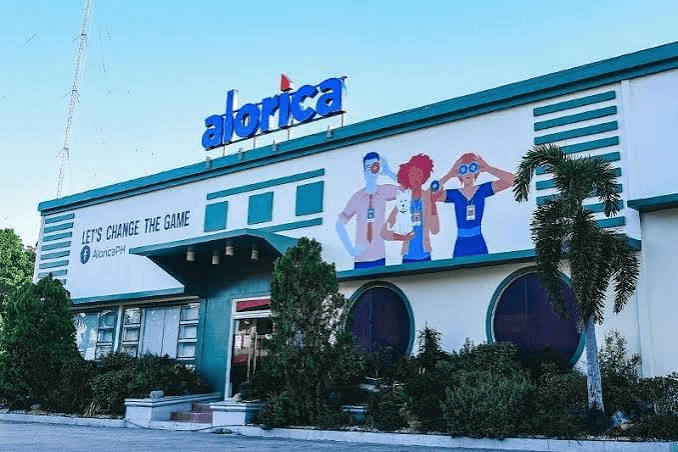
Start by asking yourself: If a company closes several locations, does that always mean it’s shutting down for good? Not necessarily. Alorica—a major name in customer experience (CX) and business process outsourcing (BPO)—has seen waves of call center layoffs and site closures in recent years. But is this a sign that Alorica is going out of business, or just shifting its strategy to adapt and grow?
Here’s what you need to know: Alorica remains an active, global player, with billions in revenue and a workforce spread across continents. Yet the headlines about closed facilities and layoffs can easily confuse even industry insiders. If you run a business, manage teams, or want to learn from how big firms pivot, let’s break down what’s really happening, step-by-step.
Table of Contents
ToggleCurrent Status: Leadership Expansion and Financial Health
Before you jump to conclusions about a company winding down, check three things: new leadership, recent results, and outside financial data. For Alorica, all three indicators point to ongoing operations and growth:
– In March 2026, Alorica announced “strategic leadership expansions.” Instead of retreating, it’s investing in top talent to guide new initiatives.
– The start of 2026 is described by Alorica as “one of the strongest starts in its history.” That doesn’t fit the profile of a company preparing to close shop.
Step back and look at recent numbers:
– A Business Wire release in 2025 reported Alorica closed its first half with record-high performance and “exponential growth.”
– Outside credit research places the company’s annual revenue in the $2–3 billion range. Most firms shutting down aren’t generating that kind of income.
– Alorica consistently refers to itself as a “global leader in customer experience and digital transformation,” working with major brands worldwide.
Key Takeaway: Companies on the verge of liquidation don’t emphasize expansion, revenue milestones, or leadership hires.
Facility Closures and Layoffs: Putting Headlines in Context
Why do concerns about Alorica going out of business keep surfacing? The answer is simple: visible call center closures and large layoffs can look, from the outside, like the company is in trouble everywhere. But don’t confuse local restructuring with a total shutdown.
Here are some facts:
– In Tampa, Florida, Alorica permanently closed its east Tampa center, laying off nearly 500 people in early 2020.
– In Kennesaw, Georgia, more than 600 call center positions were cut when that site shut down.
– Austin, Texas saw the closure of Alorica’s location, trimming over 700 jobs.
– Minnesota’s Mendota Heights call center was one of several U.S. sites shuttered over a 12-month stretch, resulting in roughly 150 lost jobs.
– In Central California, Alorica merged its Fresno and Clovis offices. While billed as a consolidation, this move led to almost 800 positions being eliminated at the closing site.
– Topeka, Kansas lost approximately 300 jobs when its call center closed.
– In Nevada, a $5 million government contract ended early, with operations moving in-house and dozens of Alorica jobs ending in the process.
Did you know? Many large companies regularly review and adjust their location strategy. These specific closures are part of Alorica’s business model shift, not a signal that every employee everywhere is being let go.
Understanding Alorica’s Business Model and Global Scale
It’s wise to start with the basics: What does Alorica actually do, and how big is its reach? The company is a BPO and CX giant that handles tasks for other firms. This includes things like:
– Outsourced sales calls and customer support
– Back office operations (think billing, data entry, and help desk services)
Ask yourself: Is Alorica only in the U.S.? Far from it. The company has been reported to maintain
– 100,000+ employees
– Over 130 locations, covering 14 countries
– Annual revenue in the billions
This kind of scale means Alorica isn’t just a call center provider. It serves a huge variety of clients across health care, communications, banking, e-commerce, travel, and more. Its sheer size would make a sudden, complete shutdown extremely unusual unless prompted by catastrophic events, which, according to all available reports, isn’t the case.
Tip: When evaluating company risk, look at both revenue trends and workforce data. Alorica’s numbers show contraction in certain regions, not global collapse.
Reasons for Layoffs and Controversies: What’s Fueling Doubt?
So, what’s really behind all the negative buzz? Often, layoffs and closures coincide with local controversies or disputes, coloring how outsiders perceive the business. Here are a few drivers:
– Nevada’s contract was dropped after state officials received complaints about poor call center performance. Media called out “incompetent” handling of public calls, with some labeled “cruel” by frustrated users.
– Legal trouble has added to the company’s reputation challenges. In 2018, Alorica paid $3.5 million to settle a federal lawsuit involving harassment at its California call centers.
– Sudden closures—even if part of a planned consolidation—left hundreds of employees shocked and scrambling for new work, especially after short layoff notices.
Don’t overlook the impact of these negative stories. They foster skepticism and generate social media rumors. But step back and ask: Do these incidents, often isolated to one site or state, mean headquarters will turn out the lights worldwide? Almost never.
Key Takeaway: Complaints and legal settlements point to management and compliance struggles, but not necessarily cash-flow crises or corporate bankruptcy.
Restructuring: What’s Really Happening Behind the Scenes?
Look for patterns rather than one-off events. Alorica’s pattern is clear: it’s consolidating U.S. call centers while focusing on digital and offshore growth. This type of business model evolution is common when:
– More services move online, requiring fewer brick-and-mortar centers
– Clients want agents in different time zones, or with different languages
– Companies see efficiency gains from large, centralized “hubs” rather than a patchwork of small sites
Here’s a simple formula for this trend:
Fewer local offices + More centralized operations + Digital investments = Long-term cost savings and (ideally) service improvements.
Ask yourself: Are layoffs always a bad sign? Not if the company is improving margins or reinvesting in high-growth markets. The world’s biggest brands have restructured repeatedly while continuing to dominate their industries.
Tip: Don’t read a single layoff report and assume worst-case scenarios. Check for new product launches, partnerships, or leadership hires—they often tell the real story.
Alorica’s Future: Growth Signals and Cautious Optimism
By now, you can see why Alorica’s situation is more complicated—and far more stable—than surface headlines might suggest. Here’s what backs up that claim:
– Press releases from 2025 and 2026 put a spotlight on expanding leadership, digital transformation, and award-winning CX solutions.
– Performance descriptions (“exponential growth” and “highest-ranked results”) are monitored by investors, industry analysts, and clients, so there’s little room for misrepresentation.
– With billions in annual revenue, a geographic footprint spanning multiple continents, and a roster of tens of thousands of employees, Alorica remains highly visible in the global BPO market.
Wondering where else to look for signals of strength? Follow the company’s career page—if they’re still hiring, that’s a strong vote of confidence. Examine awards or “best workplace” lists, and see if new office locations are opening in emerging markets.
For more on effective business pivots and how companies adapt in difficult markets, check out [this practical resource](https://sunriseclicks.com/).
Should You Be Worried? Practical Takeaways for Entrepreneurs and Job Seekers
Ask yourself: What lessons can you learn from this? Whether you’re considering a job at Alorica, relying on them as a vendor, or just following industry trends, here are concrete steps:
– Always look beyond news of layoffs—seek data on company-wide performance, revenue, and hiring.
– Notice patterns: Are closures limited to one region? Is there a matching uptick in remote or digital roles?
– If you’re an employee, keep your skills relevant—call centers are automating quickly, and remote work is rising.
– For small business owners, study how Alorica manages change. Sites closing can signal a move toward greater efficiency.
Key Takeaway: Change—sometimes painful and messy—is a constant in business. The best companies make tough decisions but communicate long-term plans.
Conclusion: Alorica’s Ongoing Business and Road Ahead
Here’s the bottom line: Alorica is not going out of business. Instead, it’s consolidating locations, managing through legal and reputational issues, and doubling down on global and digital expansion. For entrepreneurs and professionals watching from the sidelines, it’s a real-world example of how big organizations weather storms and reposition for the next phase.
Before you make any decision—about employment, partnership, or competing—get the facts. Look past layoff headlines and ask: Is the overall business shrinking, or just repositioning its resources? As you’ve seen, Alorica is very much in business, with every sign pointing to steady, if sometimes challenging, change.
If you want to future-proof your own business or career, watch companies like Alorica closely. Their adaptation playbook offers valuable, practical lessons. Ultimately, the formula is simple: adapt, communicate, and keep moving forward—even when the headlines say otherwise.
Read Also This: